

What Is “The Rachel” Haircut?
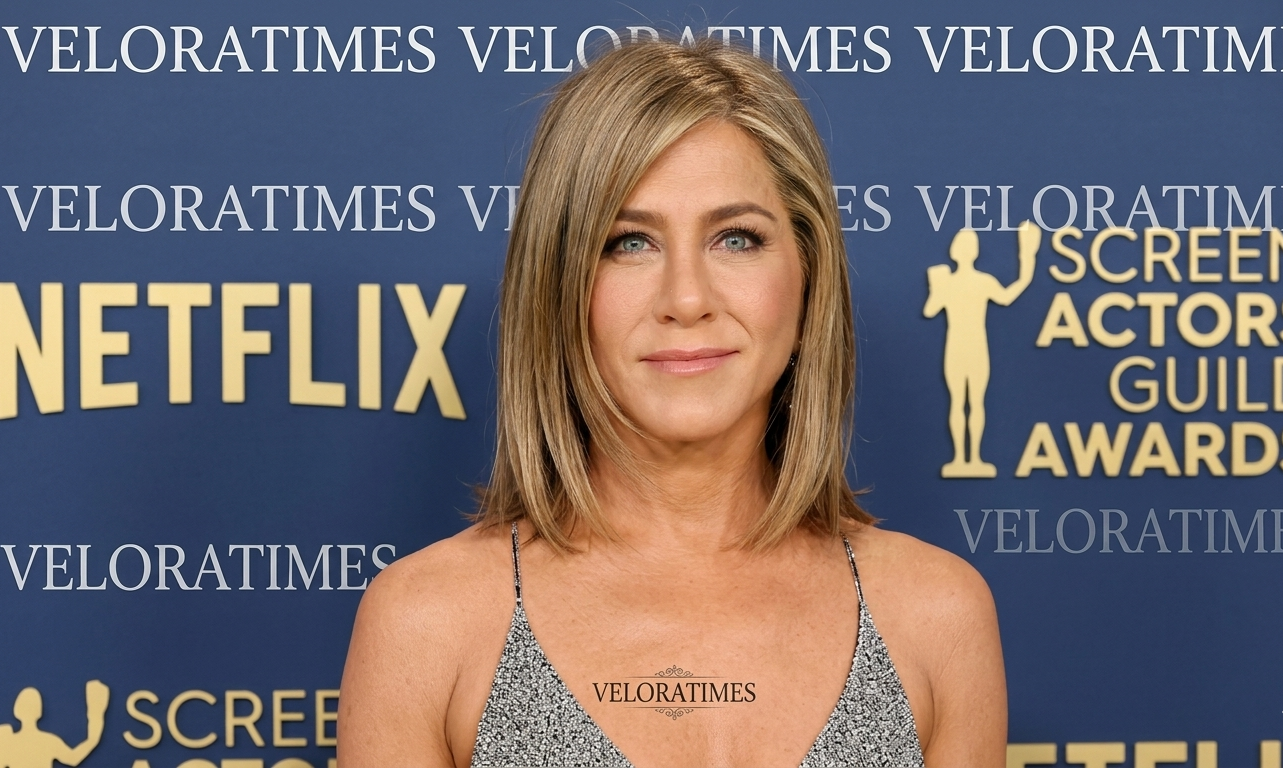
“The Rachel” is one of the most famous hairstyles in modern pop culture, known for its layered structure, volume, and face-framing design. The haircut typically falls around shoulder length and features multiple choppy layers that create movement and body. It blends elements of a shag haircut and a classic layered cut, resulting in a style that looks both polished and effortless.
The hairstyle became globally recognized through Jennifer Aniston during her role as Rachel Green in the hit sitcom Friends. When the show aired in the mid-1990s, audiences quickly became fascinated with her look, and the haircut soon turned into a worldwide trend.
What made “The Rachel” stand out was its versatility and visual appeal. It added volume to thin hair, shape to thick hair, and movement to otherwise flat styles. This adaptability helped it gain popularity among women of different ages and hair types, making it one of the most requested haircuts of its time.
The Origin of The Rachel and Its Creation
“The Rachel” was created by celebrity hairstylist Chris McMillan, who designed the look specifically for Jennifer Aniston. Interestingly, the haircut was not initially intended to become a major trend. It was created as a practical solution to reshape and refresh Aniston’s hair during the early days of filming Friends.
The haircut first appeared in the show’s first season, particularly in early episodes where Rachel Green’s character was still developing her identity. The fresh, youthful style perfectly matched the character’s personality, which was evolving from a sheltered lifestyle to an independent, career-focused woman.
As the show gained popularity, viewers began to notice and admire the hairstyle. Soon, salons across the world were flooded with requests for “The Rachel,” with customers bringing photos of Jennifer Aniston as a reference. What started as a simple styling decision quickly became a defining trend of the decade.
Why The Rachel Became a Global Phenomenon
The success of Friends played a major role in making “The Rachel” a global phenomenon. The show reached millions of viewers each week, and Rachel Green quickly became a fashion icon. Her clothing, personality, and hairstyle influenced trends across different countries and cultures.
Another key factor was the accessibility of the haircut. Unlike some celebrity styles that are difficult to replicate, “The Rachel” could be adapted to suit different face shapes and hair textures. This made it appealing to a wide audience and easy for hairstylists to recreate in salons.
Culturally, the haircut symbolized confidence and independence. As Rachel Green’s character grew stronger and more self-reliant, her hairstyle became associated with empowerment. This emotional connection made the haircut more than just a trend—it became a statement.
Key Features That Define The Rachel Haircut
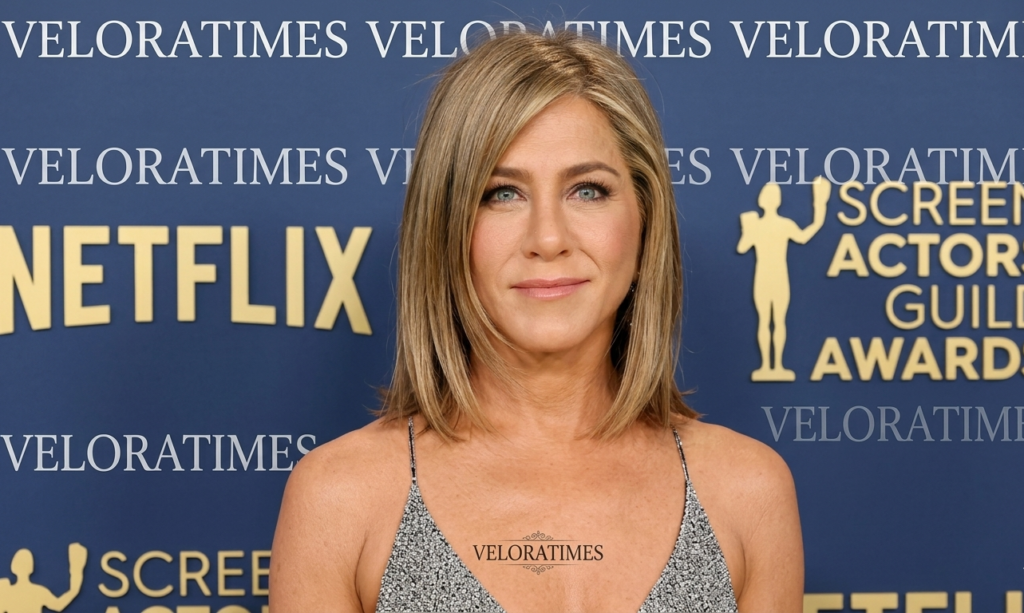
The Rachel haircut is defined by its distinctive layering. The layers are cut in a way that creates volume and movement, with shorter layers around the face and longer layers toward the back. This structure helps frame the face while adding depth and dimension to the hair.
Another important feature is the outward styling of the ends. The layers are typically blow-dried using a round brush to create a flipped, bouncy effect. This styling technique is essential to achieving the classic “Rachel” look, as it enhances the haircut’s signature shape.
The length of the haircut also plays a role. It usually falls just below the shoulders, making it versatile enough for different occasions. Whether styled casually or formally, the haircut maintains its recognizable structure and appeal.
The Rachel Haircut and 1990s Fashion Culture
During the 1990s, “The Rachel” became a defining element of fashion culture. It was featured in magazines, advertisements, and everyday street style, reflecting the influence of television on beauty trends. Women across the world embraced the haircut as a symbol of modern style.
The popularity of the haircut also highlighted the growing importance of celebrity influence. Jennifer Aniston’s portrayal of Rachel Green turned her into a style icon, and her hairstyle became a key part of that image. The connection between character and appearance made the haircut even more impactful.
Interestingly, the trend also revealed the effort behind seemingly effortless styles. While “The Rachel” looked natural and easy, maintaining it required regular trims and styling. This contrast between appearance and reality became part of its story.
Modern Interpretations of The Rachel
In recent years, “The Rachel” has experienced a revival, thanks to the return of 1990s fashion trends. However, the modern version of the haircut is softer and more natural. Instead of heavy, choppy layers, today’s stylists often create subtle layers that are easier to maintain.
Modern adaptations also focus on personalization. Hairstylists tailor the cut to suit individual face shapes, hair types, and lifestyles. This approach makes the haircut more inclusive and adaptable, ensuring that it remains relevant in today’s beauty industry.
Even Jennifer Aniston has embraced updated versions of the style over the years. Her evolving looks demonstrate how “The Rachel” can change while still maintaining its core identity, proving its lasting influence.
How to Achieve The Rachel Haircut Today
Achieving “The Rachel” haircut begins with the right cut. A professional hairstylist will create multiple layers, focusing on face-framing sections and overall volume. The key is to balance structure with movement, ensuring that the haircut looks natural rather than overly styled.
Styling is equally important. Traditionally, a blow dryer and round brush are used to create volume and flip the ends outward. This technique enhances the layered effect and gives the haircut its signature bounce.
In modern routines, people often opt for simpler methods. Lightweight styling products and minimal heat tools can create a softer version of the look. Regular maintenance, including trims every few weeks, helps keep the layers defined and the haircut fresh.
Why The Rachel Continues to Influence Trends
“The Rachel” remains influential because it represents a perfect blend of style and cultural significance. Its connection to Friends ensures that it continues to be recognized by new generations of viewers discovering the show.
The haircut’s adaptability also contributes to its longevity. Unlike trends that quickly fade, “The Rachel” can evolve to match current styles while retaining its original essence. This flexibility makes it a timeless choice for many people.
Additionally, the emotional connection plays a role. For many, the haircut is associated with nostalgia and the cultural impact of the 1990s. This combination of memory and style keeps it relevant even decades after its debut.
Common Misconceptions About The Rachel Haircut
One common misconception is that “The Rachel” is easy to maintain. In reality, the original version required regular styling to achieve its full effect. Without proper care, the layers can lose their shape and volume.
Another misunderstanding is that the haircut suits everyone equally. While it can be adapted, the classic version works best with certain hair types, particularly straight or slightly wavy hair. This is why modern stylists often customize the cut.
There is also confusion about what qualifies as “The Rachel.” Not all layered haircuts fit the definition. The true version includes specific elements such as face-framing layers, outward styling, and a balanced length.
Final Thoughts on The Rachel Haircut
“The Rachel” is more than just a hairstyle—it is a cultural icon that continues to inspire fashion and beauty trends. From its origins on Friends to its modern adaptations, it has remained a symbol of style and individuality.
Its enduring popularity is a testament to its versatility and timeless appeal. Whether worn in its original form or updated for today’s trends, it continues to resonate with people around the world.
Ultimately, “The Rachel” demonstrates how a single hairstyle can shape an era and leave a lasting legacy. It is a reminder that great style evolves but never truly fades, making it one of the most iconic haircuts in history.
READ MORE: VELORATIMES
