

Understanding the unique Starbucks sizes system is essential for anyone who regularly orders coffee or wants to feel more confident when stepping up to the counter. Unlike traditional cafés that use small, medium, and large, Starbucks has created a distinct naming system that reflects its brand identity and global influence. These names have become widely recognized, yet they still leave many customers wondering about their actual meaning and size differences.
The Starbucks cup size system is more than just branding; it influences everything from caffeine content to drink customization and pricing. Knowing how each size works can help customers make better decisions based on their taste preferences, daily caffeine intake, and budget. This detailed guide explores every aspect of Starbucks sizes, providing clear, accurate, and practical insights that make ordering easier and more enjoyable.
The History Behind Starbucks Size Names
The origin of Starbucks size names dates back to the early development of the company, when its leadership sought to create a more sophisticated coffee culture in the United States. Inspired by European and Italian café traditions, Starbucks adopted names like Grande and Venti to give its drinks a more premium and authentic feel. This approach helped distinguish the brand from competitors and contributed to its global identity.
Interestingly, the naming system is not entirely consistent in language. While Grande and Venti are derived from Italian, terms like Tall and Short are English, and Demi has French roots. This mixture adds uniqueness to the system but can also lead to confusion, especially for first-time customers. Over time, these names have become part of Starbucks culture, even if they don’t follow a logical progression.
Another key historical detail is that the original menu only included Short, Tall, and Grande. When larger sizes were introduced, Starbucks chose to keep the existing names instead of restructuring the system. This decision preserved brand familiarity but created the slightly unusual hierarchy that exists today.
Full Breakdown of Starbucks Cup Sizes
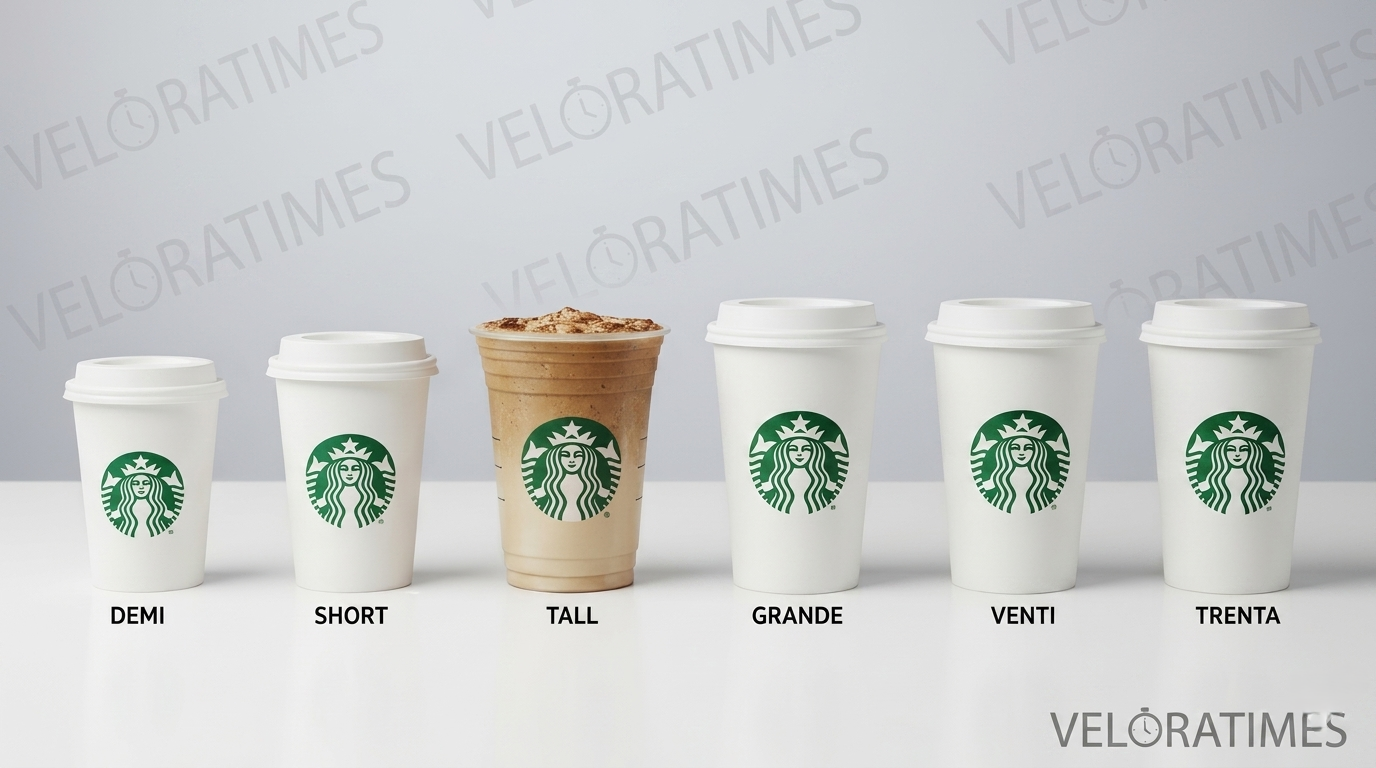
Starbucks offers a range of cup sizes designed to suit different drink types and customer preferences. These sizes include Demi, Short, Tall, Grande, Venti, and Trenta. While most customers are familiar with Tall, Grande, and Venti, the smaller and larger options are also important to understand.
The Demi size is the smallest, holding around 3 ounces, and is primarily used for espresso shots. The Short size, which contains about 8 ounces, is often considered a hidden menu option for hot drinks. Tall, at 12 ounces, is the smallest standard size listed on most menus and is commonly ordered by customers who want a lighter beverage.
Grande, holding 16 ounces, is one of the most popular sizes because it offers a balanced portion. Venti comes in two forms, with 20 ounces for hot drinks and approximately 24 ounces for cold beverages. The largest size, Trenta, holds about 31 ounces and is available only for certain cold drinks, such as iced coffee and refreshers.
Understanding Starbucks Sizes in Ounces and Milliliters
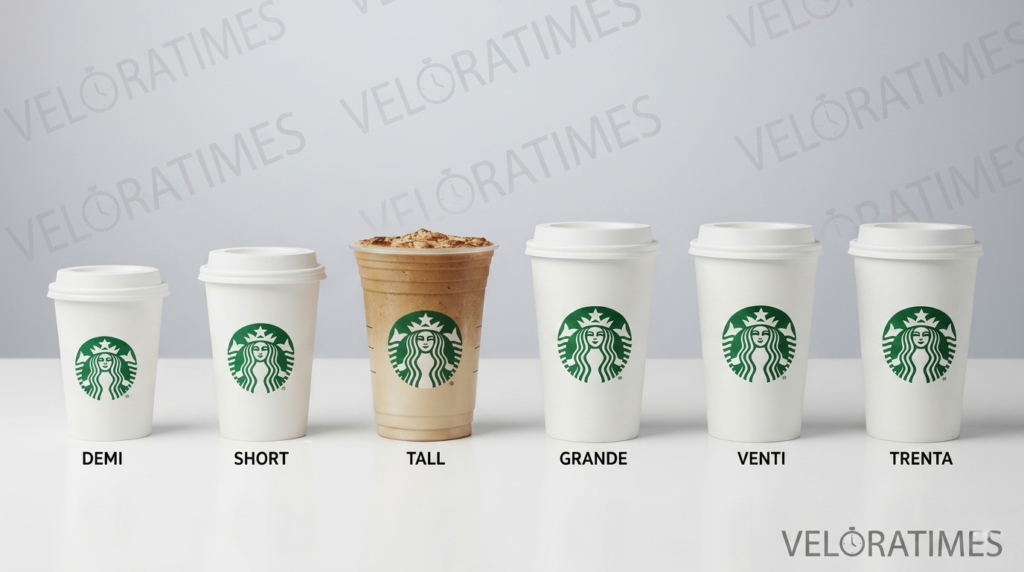
Knowing the exact volume of each Starbucks size helps customers make informed choices. The Demi size contains roughly 3 ounces, while Short holds 8 ounces. Tall offers 12 ounces, which is comparable to a standard small coffee in many other cafés.
Grande increases the volume to 16 ounces, making it a medium-sized drink in practical terms. The Venti size differs depending on whether the drink is hot or cold. Hot Venti drinks are typically 20 ounces, while cold versions can reach about 24 ounces due to the inclusion of ice.
The Trenta size stands out as the largest option, holding approximately 31 ounces. This size is designed for extended consumption and is particularly popular for cold beverages. Understanding these measurements allows customers to better manage caffeine intake and portion size.
Why Starbucks Sizes Are Often Confusing
One of the main reasons Starbucks sizes confuse customers is that the naming system does not align with common expectations. For example, the word “Tall” suggests a large size, but it actually represents the smallest standard option. Similarly, “Grande,” which means large in Italian, functions as a medium size within Starbucks.
Another factor is the variation between hot and cold drinks, particularly in the Venti category. The difference in volume can make it difficult for customers to predict how much coffee they are getting. This inconsistency adds to the overall complexity of the system.
The presence of hidden sizes like Short and Demi also contributes to confusion. Since these options are not always displayed on menus, many customers are unaware that they exist. This lack of visibility can make the ordering process feel less straightforward.
Espresso Shots and Caffeine Content by Size
Starbucks sizes directly influence the number of espresso shots in a drink, which affects both flavor and caffeine levels. Smaller sizes like Short and Tall typically include one shot of espresso, providing a lighter caffeine experience.
Grande drinks usually contain two shots, offering a stronger and more balanced flavor. As the size increases, especially for cold beverages, additional shots may be included to maintain taste consistency. This ensures that larger drinks do not become overly diluted.
Understanding how espresso shots vary by size is important for customers who are sensitive to caffeine or looking for a specific strength. It also helps in customizing drinks, as additional shots can be added based on personal preference.
Choosing the Right Starbucks Size for Your Lifestyle
Selecting the right Starbucks size depends on individual needs and habits. Customers who prefer a quick coffee with strong flavor may find smaller sizes like Tall or Short more suitable. These options provide a concentrated taste without excessive volume.
Grande is often considered the most versatile size, offering a balance between quantity and flavor. It is ideal for those who want a satisfying drink without committing to a larger portion. This size is particularly popular among regular customers.
For those who enjoy longer sipping sessions or need more caffeine throughout the day, Venti and Trenta sizes provide larger servings. However, these sizes may require adjustments in customization to maintain flavor and avoid excessive sweetness or dilution.
Differences Between Hot and Cold Starbucks Sizes
A unique feature of Starbucks sizing is the distinction between hot and cold drinks. This difference is most noticeable in the Venti size, where cold beverages are larger than their hot counterparts. The extra space accounts for ice, ensuring that the liquid portion remains sufficient.
Cold drinks also tend to include more espresso shots to balance the flavor. This is important because ice can dilute the drink over time, affecting its taste. By adjusting the recipe, Starbucks maintains consistency across different sizes and drink types.
The Trenta size is exclusively available for cold beverages, further highlighting this distinction. It is commonly used for iced coffee, cold brew, and refreshers, making it a popular choice for customers who prefer chilled drinks.
Popular Starbucks Sizes and Ordering Trends
Customer preferences for Starbucks sizes often vary based on lifestyle and taste. Grande remains one of the most commonly ordered sizes because it provides a well-balanced experience. It is large enough to be satisfying but not overwhelming.
Tall is often chosen by customers who want a smaller portion or are trying a new drink. It offers a manageable size that still delivers the full Starbucks experience. On the other hand, Venti is popular among those who prefer larger drinks or need an extra boost of caffeine.
Trenta is less frequently ordered but appeals to customers who enjoy extended sipping, especially with cold beverages. Its large capacity makes it ideal for long days, although it may not suit everyone’s preferences.
Tips for Mastering Starbucks Sizes and Ordering with Confidence
Becoming familiar with Starbucks sizes can significantly improve the ordering experience. Instead of feeling uncertain, customers can approach the counter with confidence, knowing exactly what they want. Understanding the size system also helps in customizing drinks more effectively.
Clear communication with baristas is another important factor. Even if customers use traditional terms like small or medium, staff can easily translate these into Starbucks sizes. This flexibility ensures that everyone can order comfortably.
Ultimately, mastering Starbucks sizes enhances the overall coffee experience. With a clear understanding of the options, customers can enjoy their favorite drinks without confusion and make choices that align with their preferences, lifestyle, and caffeine needs.
READ MORE: VELORATIMES
