


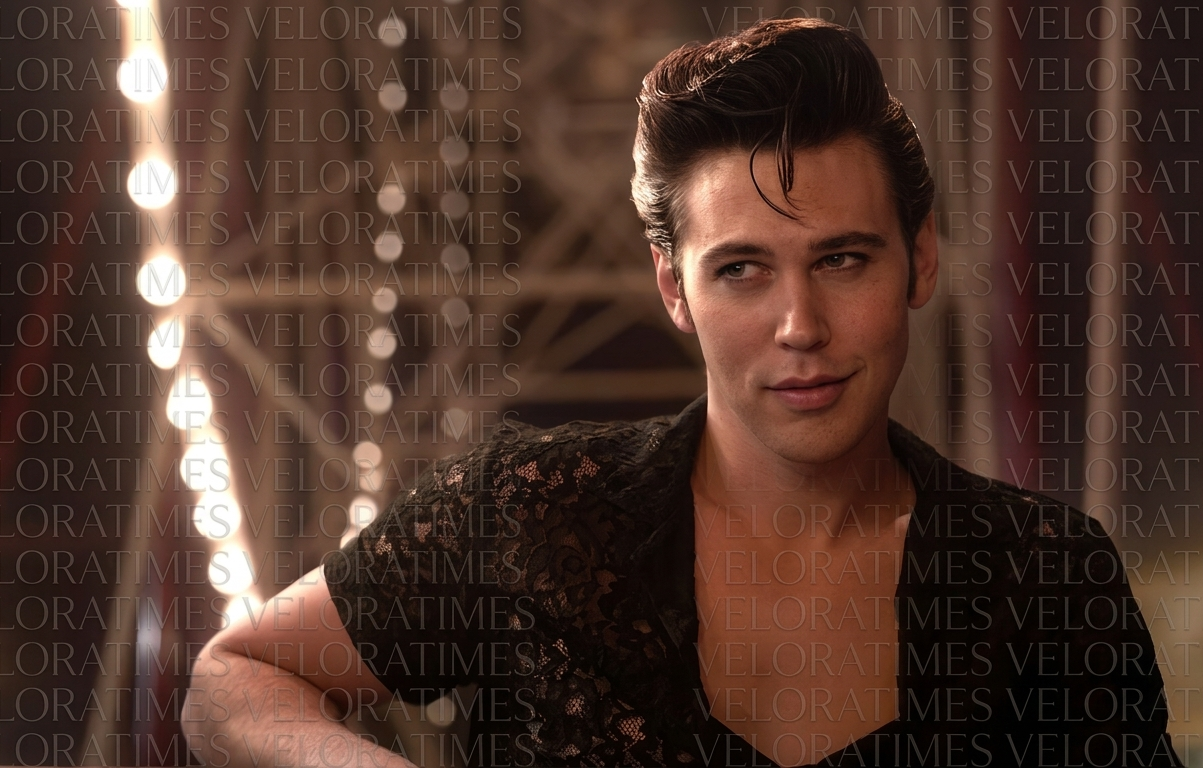
The transformation of Austin Butler into Elvis Presley in the film Elvis stands as one of the most remarkable acting achievements in modern cinema. This performance did more than entertain audiences—it reignited global fascination with Elvis Presley’s life, music, and cultural influence. Butler’s portrayal bridged generations, connecting younger viewers with a legend while satisfying longtime fans.
Search trends around “Austin Butler Elvis” continue to grow because audiences are captivated by the depth of his transformation. His work represents a powerful example of how dedication, research, and emotional authenticity can elevate a biographical film. The success of the movie also reflects a broader shift in Hollywood, where audiences now expect biopics to deliver not only accuracy but also emotional truth.
This article explores every aspect of Butler’s journey into the role, including his early career, preparation, performance techniques, and the lasting cultural impact of his portrayal. By understanding the details behind this transformation, readers gain insight into both the art of acting and the enduring legacy of Elvis Presley.
Austin Butler’s Early Career and Rise in Hollywood
Before achieving global fame, Austin Butler Elvis spent years building his career through television and smaller film roles. He began as a young actor appearing in popular teen shows such as Zoey 101 and Hannah Montana. These roles helped him gain industry experience, but they also typecast him as a teen heartthrob, limiting opportunities for more serious acting challenges.
As Butler matured, he actively sought roles that would demonstrate his range and depth. His performances in series like The Carrie Diaries and stage productions such as The Iceman Cometh showed his commitment to developing as a serious actor. These projects required emotional nuance and discipline, helping him transition away from his early image and toward more complex characters.
A crucial turning point came when Butler appeared in Once Upon a Time in Hollywood directed by Quentin Tarantino. His portrayal of Tex Watson, though a supporting role, demonstrated intensity and psychological depth. This performance caught the attention of industry professionals and ultimately contributed to his selection for the role of Elvis Presley.
The Casting Process for Elvis Presley
Casting Elvis Presley in Elvis was a highly competitive and closely watched process. Director Baz Luhrmann needed an actor who could embody one of the most recognizable figures in history. The challenge was not just physical resemblance but also capturing Elvis’s charisma, vulnerability, and stage presence.
Several well-known actors auditioned for the role, but Butler distinguished himself through emotional authenticity. Instead of merely imitating Elvis, he focused on understanding the man behind the icon. His audition reportedly included a deeply personal performance that conveyed raw emotion, convincing Luhrmann that he had found the right actor.
Luhrmann’s decision reflected a commitment to storytelling rather than star power. By choosing Butler, he prioritized depth and transformation over familiarity. This decision ultimately proved successful, as Butler’s performance became the defining element of the film.
Deep Preparation and Method Acting Approach
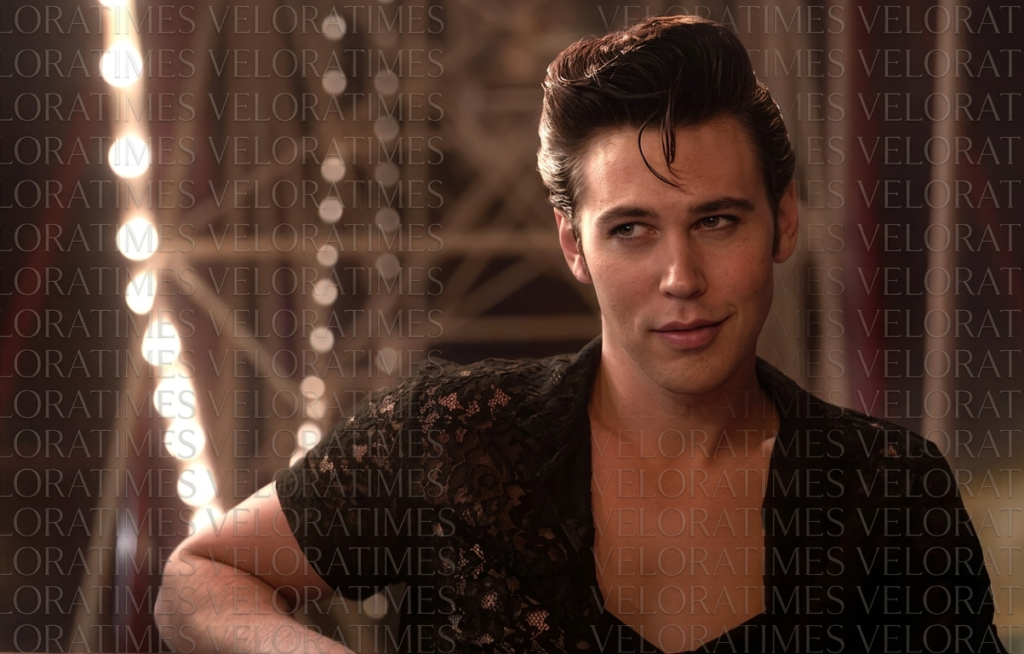
The preparation undertaken by Austin Butler for the role of Elvis Presley is widely regarded as extraordinary. He spent several years studying Elvis’s life, watching archival footage, and listening to his music extensively. This level of research allowed him to internalize not only Elvis’s mannerisms but also his emotional world.
Butler worked with vocal coaches to replicate Elvis’s distinctive voice and singing style. He practiced endlessly to perfect subtle details such as speech patterns, breathing, and stage movements. His dedication extended beyond the set, as he reportedly maintained Elvis’s voice in everyday life during filming, further immersing himself in the character.
Emotionally, Butler connected with Elvis’s struggles by drawing from his own life experiences. This approach gave his performance authenticity and depth, allowing audiences to see Elvis not just as a superstar but as a human being dealing with fame, pressure, and personal loss.
Storytelling and Narrative Style of the Film
The film Elvis presents a unique narrative structure that sets it apart from traditional biopics. Instead of a straightforward chronological story, it uses a dynamic and stylized approach that reflects the energy of Elvis’s life and career. The film blends past and present, creating a vivid and immersive experience.
A central element of the narrative is Elvis’s relationship with his manager, Colonel Tom Parker, portrayed by Tom Hanks. Parker serves as both narrator and antagonist, offering a perspective that shapes the audience’s understanding of Elvis’s journey. This storytelling choice adds complexity and tension to the film.
The movie also explores broader cultural themes, including race, music evolution, and the American dream. By situating Elvis within these contexts, the film highlights his role in transforming popular music and influencing global culture.
Performance Analysis: Capturing Elvis Presley’s Essence
The performance of Austin Butler as Elvis Presley is often described as transformative. He successfully captured the singer’s iconic stage presence, including his movements, expressions, and vocal style. At the same time, he conveyed the emotional depth of a man navigating fame and personal challenges.
Critics praised Butler’s ability to balance imitation with originality. While he faithfully reproduced Elvis’s physical traits, he also brought his own interpretation to the role. This combination made the performance feel authentic rather than mechanical, allowing audiences to connect with the character on a deeper level.
Butler’s work earned him major accolades, including a Golden Globe Award and a BAFTA, along with an Academy Award nomination. These achievements reflect both the quality of his performance and its impact on the film industry.
Cultural Impact and Revival of Elvis Presley’s Legacy
The release of Elvis had a significant cultural impact, particularly in reviving interest in Elvis Presley. Streaming platforms reported increased plays of Elvis’s music, and younger audiences began exploring his work for the first time.
Butler’s portrayal played a crucial role in this revival. By presenting Elvis as a relatable and emotionally complex figure, he made the legend accessible to modern viewers. This renewed interest extended beyond music, influencing fashion, pop culture, and discussions about celebrity life.
The film also contributed to a broader trend of successful biopics, demonstrating that audiences value authenticity and depth. It set a new standard for how real-life figures should be portrayed in cinema, emphasizing the importance of research and emotional connection.
Criticism and Controversies Surrounding the Film
Despite its success, the portrayal of Elvis Presley by Austin Butler was not without criticism. Some viewers felt that the film’s stylized approach overshadowed certain aspects of Elvis’s life, particularly more controversial elements. Others argued that the narrative focused too heavily on Colonel Tom Parker.
Another point of discussion was Butler’s continued use of an Elvis-like voice after filming. While some praised this as evidence of deep immersion, others questioned whether it was necessary. This debate highlighted differing perspectives on method acting and its effects on performers.
However, these criticisms did not significantly diminish the film’s overall success. Instead, they underscored the challenges of portraying a figure as complex and iconic as Elvis Presley, where expectations are inherently high.
Austin Butler’s Career After Elvis
Following his breakthrough role, Austin Butler quickly became one of Hollywood’s most sought-after talents. He demonstrated his versatility by taking on diverse roles, including his performance in Dune: Part Two, where he portrayed a villainous character with intensity and precision.
Butler also appeared in high-profile projects such as Masters of the Air, further establishing his reputation as a serious actor. These roles showed that his success was not limited to biographical performances but extended across genres.
His career trajectory suggests continued growth and influence in the film industry. By choosing challenging and varied roles, Butler has positioned himself as a long-term presence in Hollywood, capable of delivering compelling performances in multiple contexts.
Why Austin Butler’s Elvis Performance Still Matters
The portrayal of Elvis Presley by Austin Butler remains significant because it represents a rare combination of dedication, talent, and storytelling excellence. It demonstrated how a biopic can go beyond surface-level imitation to reveal the humanity of its subject.
This performance continues to influence discussions about acting and filmmaking. It serves as a benchmark for future biopics, showing that audiences value authenticity, emotional depth, and careful research. Butler’s work has become a reference point for actors preparing to portray real-life figures.
Ultimately, the success of Butler’s Elvis lies in its ability to connect with audiences on multiple levels. It honors the legacy of Elvis Presley while establishing Austin Butler as one of the most compelling actors of his generation, ensuring that both the artist and the performance will be remembered for years to come.
READ MORE: VELORATIMES
