


What Is Transparent California?
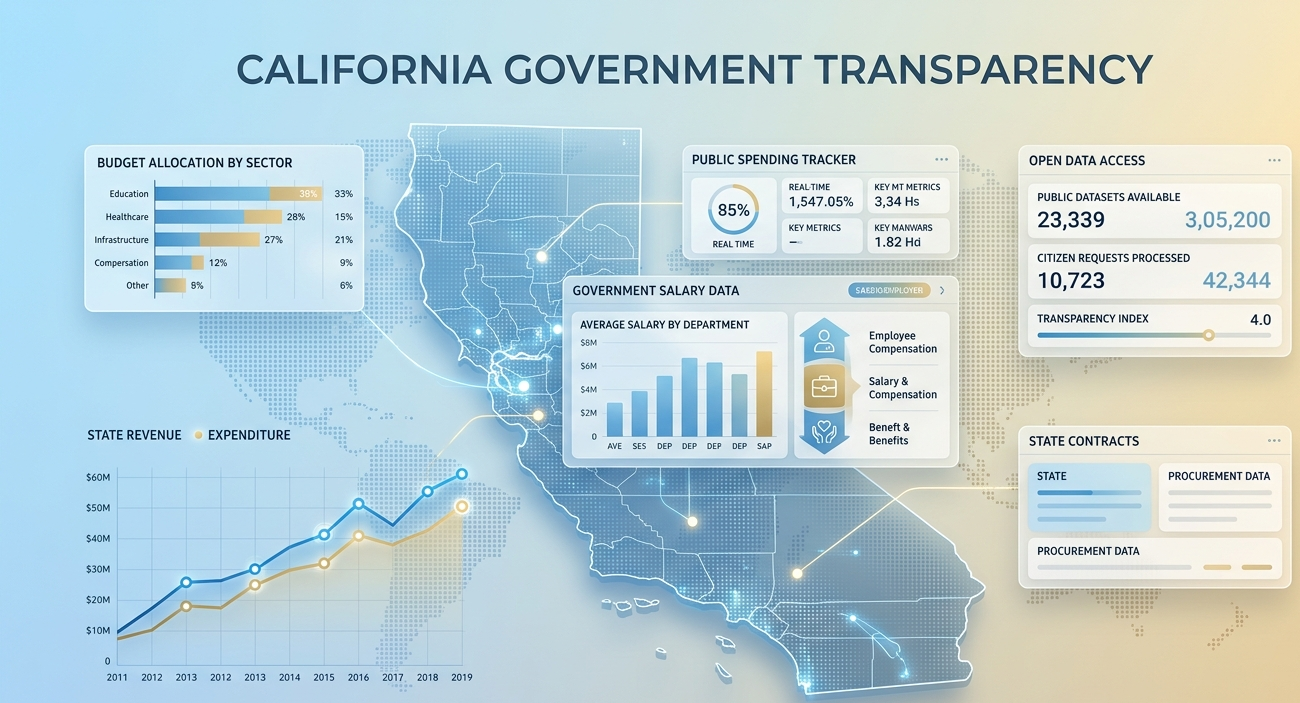
Transparent California is a comprehensive online platform that provides detailed salary, pension, and compensation data for public employees across California. It allows users to search through millions of records, offering insight into how taxpayer money is spent on government salaries. The platform has become one of the most widely recognized tools for accessing public payroll information in the United States.
The database includes employees from a wide range of public sectors, including city governments, county offices, school districts, and state agencies. By organizing this information into an easy-to-use format, the platform simplifies access to data that would otherwise require time-consuming public records requests. This accessibility has made it a valuable resource for journalists, researchers, and everyday citizens.
At its core, Transparent California is built on the idea that public information should be easily accessible. By presenting government compensation data in a clear and structured way, it helps users better understand how public funds are distributed and managed.
The Mission and Purpose of Transparent California
The primary mission of Transparent California is to promote transparency in government spending. By making salary and pension information publicly available, the platform encourages accountability and helps ensure that taxpayer money is used responsibly.
Transparency is essential for building trust between governments and citizens. When people can see how funds are allocated, they are more likely to feel confident in public institutions. This openness also allows for informed discussions about budgeting, public sector wages, and policy decisions.
Another important purpose of the platform is to support research and analysis. Economists, policymakers, and analysts use the data to study trends in public employment, compare compensation across regions, and evaluate the long-term financial impact of pensions and benefits.
Who Operates Transparent California and How It Works
Transparent California is operated by the Nevada Policy Research Institute, an independent nonprofit organization. The platform functions as a public service, aiming to provide accurate and accessible data without requiring users to navigate complex government systems.
The organization collects data through public records requests submitted to government agencies across California. These agencies are legally required to provide certain information, including salary and compensation details, upon request. The data is then compiled, verified, and standardized before being published on the platform.
Maintaining such a large database requires continuous effort. The team behind Transparent California regularly updates records, adds new agencies, and improves the user experience to ensure the platform remains relevant and reliable.
Types of Data Available on Transparent California
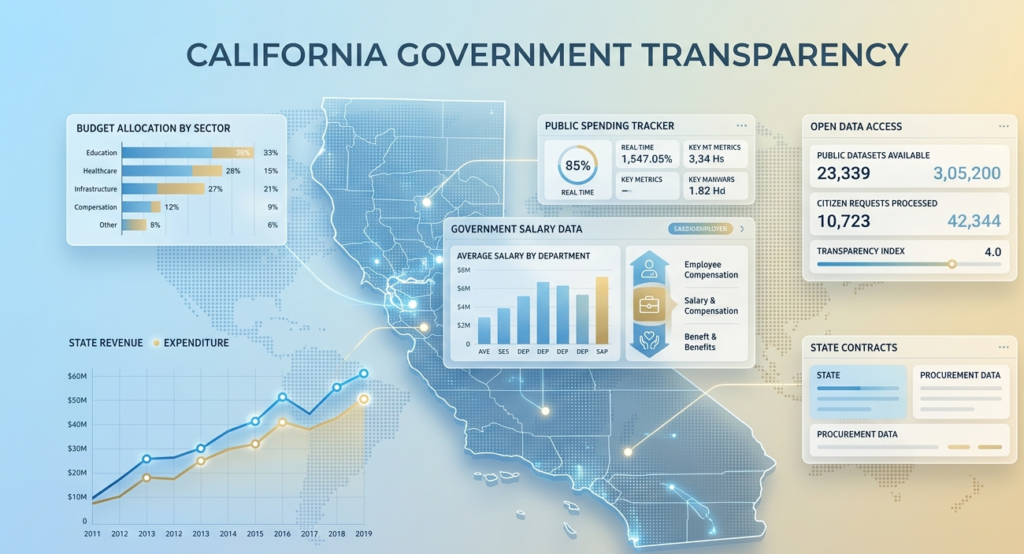
One of the key strengths of Transparent California is the depth and variety of data it offers. Users can access detailed information about employee salaries, including base pay, overtime earnings, and additional compensation such as bonuses or stipends.
The platform also includes pension data, which provides insight into the long-term financial commitments associated with public employment. This information is particularly valuable for understanding retirement benefits and the overall cost of government payroll systems.
In addition to individual records, the database allows users to explore data by agency type, job title, and year. This makes it easier to identify trends, compare roles, and analyze how compensation varies across different sectors of government.
How Transparent California Collects and Processes Data
The data on Transparent California is sourced directly from official government records. The organization submits formal public records requests under transparency laws that require agencies to disclose certain types of information.
Once the data is received, it goes through a process of cleaning and standardization. This step is crucial because different agencies may use varying formats and categories when reporting compensation. By standardizing the data, the platform ensures consistency and accuracy.
However, the process can be complex. Some agencies may delay responses or provide incomplete information, which can affect how quickly data is updated. Despite these challenges, the platform continues to expand and refine its data collection methods.
Understanding Salary Components and Total Compensation
To use Transparent California effectively, it is important to understand how compensation is categorized. The platform typically breaks down earnings into several components, including base salary, overtime pay, and other forms of compensation.
Base salary represents the regular earnings of an employee, while overtime pay reflects additional income for extra hours worked. Other compensation may include bonuses, allowances, or one-time payments such as unused vacation payouts.
Total compensation often includes benefits like pensions and healthcare contributions. This broader perspective helps users understand the full cost of employing public workers, although it can sometimes be misunderstood if users focus only on the total figure without considering its components.
The Importance of Government Salary Transparency
Government salary transparency is a key factor in promoting accountability and efficiency. Platforms like Transparent California allow citizens to see how public funds are being used, which can help identify inefficiencies or areas for improvement.
Transparency also supports fair compensation practices. By making salary information public, it becomes easier to identify disparities and ensure that employees are paid equitably. This can lead to more balanced and just workplace policies.
In addition, access to salary data can inform career decisions. Individuals considering public sector employment can use the information to understand salary ranges, benefits, and long-term financial prospects.
Criticism, Privacy Concerns, and Controversies
Despite its benefits, Transparent California has faced criticism. One common concern is that the presentation of total compensation can be misleading, as it may include benefits that are not directly received as cash income.
Privacy is another issue. While the data is legally public, some employees feel uncomfortable having their salary information easily accessible online. This has sparked debates about the balance between transparency and individual privacy.
There are also discussions about potential bias in how data is presented. Critics sometimes question whether the platform’s approach influences public perception of government spending. These concerns highlight the importance of interpreting data carefully and responsibly.
How to Use Transparent California Responsibly
Using Transparent California responsibly requires an understanding of context. Users should take the time to review how compensation is calculated and avoid drawing conclusions based solely on headline figures.
Exploring multiple records and comparing similar roles can provide a more accurate picture of salary trends. This approach helps users understand variations in pay due to factors such as location, experience, and job responsibilities.
It is also advisable to cross-check information with official sources when possible. While the platform is a reliable resource, verifying data can provide additional confidence and ensure accurate interpretation.
The Future of Transparent California and Open Data
The future of Transparent California is closely linked to the growing demand for open data and government transparency. As technology advances, there is increasing expectation for public information to be easily accessible and user-friendly.
The platform is likely to continue expanding its database, incorporating more agencies and updating records more frequently. Improvements in data visualization and search functionality may also enhance the user experience.
Ultimately, Transparent California represents a broader shift toward openness in government. By making complex data accessible to the public, it encourages informed decision-making and strengthens the relationship between citizens and public institutions.
READ MORE: VELORATIMES
