

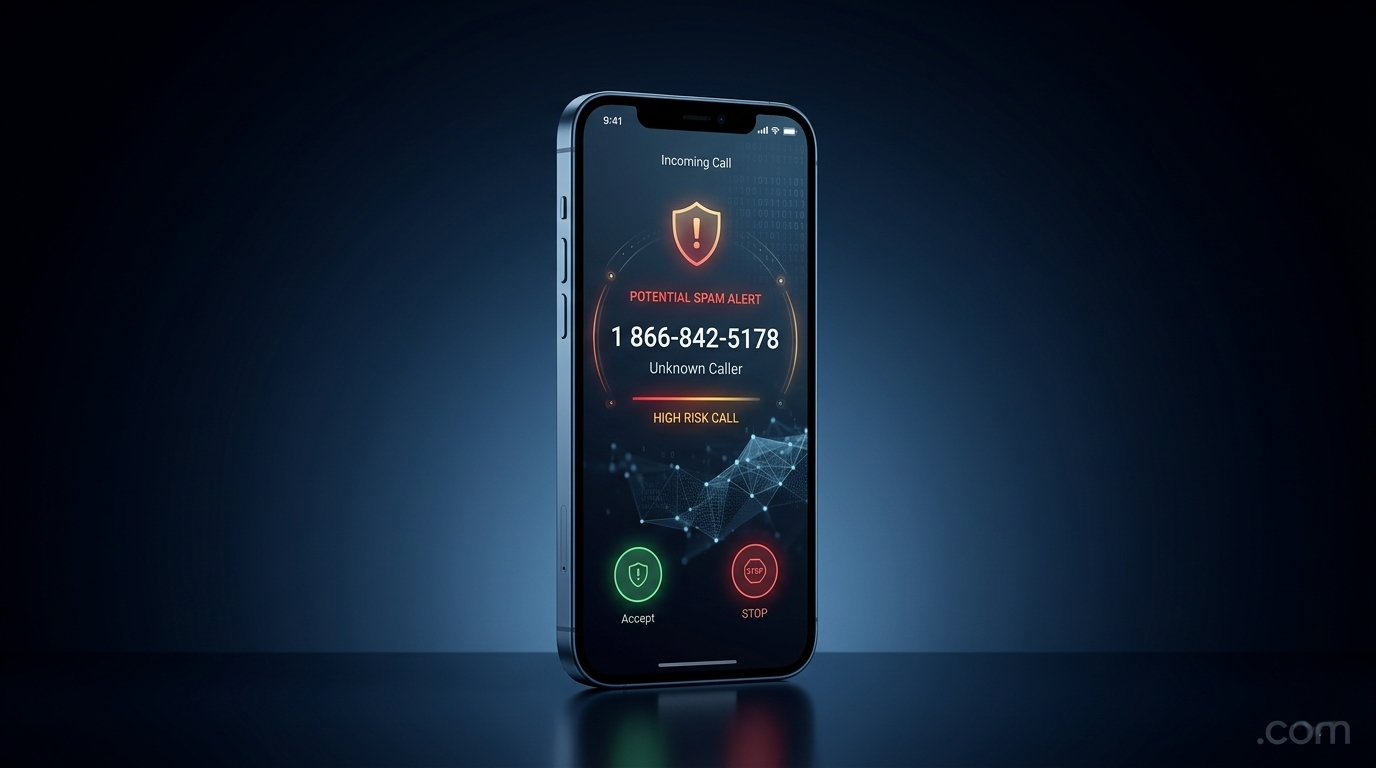
Unknown phone NUMBERS 18668425178 calls have become one of the most searched digital concerns worldwide because spam calls, robocalls, phishing attempts, and telecom fraud continue increasing every year. One number that has recently gained attention online is 18668425178. Many people search this number after receiving unexpected calls, repeated missed calls, silent calls, prerecorded voice messages, or suspicious communication that raises concerns about scams and personal security.
Modern smartphones are deeply connected to digital banking, email accounts, social media platforms, payment systems, online shopping services, and identity verification tools. Because mobile numbers are now closely tied to sensitive personal and financial information, suspicious phone calls can create significant cybersecurity risks. This is one reason why numbers like 18668425178 quickly become highly searched online when users begin reporting unusual activity.
The increase in searches related to 18668425178 reflects a broader global rise in awareness about spam calls, scam networks, caller ID spoofing, robocall systems, phishing attacks, and social engineering fraud. Cybercriminals increasingly use mobile communication to impersonate banks, delivery companies, government agencies, technical support providers, telecom services, and financial institutions. Their goal is often to pressure victims into revealing confidential information or making fraudulent payments.
Reverse phone lookup systems, spam-reporting communities, and caller identification applications now play an important role in helping users investigate suspicious numbers. These systems allow individuals to share reports about scam calls, fake support scams, robocalls, and suspicious telecom activity. Although not every unknown number is dangerous, repeated searches for 18668425178 suggest that many users want to verify whether the caller is trustworthy or potentially harmful.
Studies related to telecom fraud show that attackers increasingly rely on voice-based social engineering because direct phone conversations create urgency and emotional pressure more effectively than many online scams. Research examining scam ecosystems and phone-based phishing campaigns demonstrates how cybercriminals use phone numbers alongside digital fraud systems to target victims at scale.
Why 18668425178 Is Being Searched Online
The phone number 18668425178 is attracting online attention because users are trying to determine whether it is linked to legitimate communication, telemarketing campaigns, robocalls, spam operations, or scam-related activity. Search activity for unknown numbers usually increases when multiple individuals receive similar suspicious calls within a short period.
Many users search unfamiliar numbers after receiving repeated missed calls with no voicemail message. Others report silent calls, automated recordings, or calls that disconnect immediately after being answered. These patterns are commonly associated with predictive dialing systems, robocall networks, spam campaigns, and automated telecom operations.
Some people investigate 18668425178 after receiving calls involving urgent requests related to banking alerts, payment verification, technical support, account suspension, package delivery problems, or government notices. Scam callers frequently use urgency and fear to pressure victims into acting quickly before they have time to verify information independently.
Public awareness surrounding phone scams has increased dramatically in recent years because telecom fraud continues growing globally. Spam-reporting websites and reverse lookup platforms now receive millions of searches from users investigating suspicious callers. Online scam databases help users compare experiences and identify patterns related to robocalls and fraudulent activity.
Caller ID spoofing has also contributed to increased concern. Modern spoofing technology allows scammers to display fake or trusted-looking numbers even when the actual call originates elsewhere. Because of this, unfamiliar numbers like 18668425178 may appear legitimate despite being connected to suspicious communication systems.
How Robocall and Spam Calling Systems Operate
Modern robocall systems use automated dialing technology capable of placing thousands of calls within minutes. These systems are inexpensive to operate and highly scalable, making them popular tools for telemarketing companies, spam operations, and scam networks.
Predictive dialers are commonly used in spam campaigns. These systems automatically call large groups of numbers simultaneously and connect answered calls to live operators when available. If no operator is ready, users may hear silence or experience immediate call disconnections.
Many robocall campaigns rely on prerecorded voice messages. These automated recordings may claim to represent banks, insurance companies, government departments, technical support providers, or telecom services. The objective is usually to convince users to provide personal information, press keypad numbers, or return calls to fraudulent support centers.
Research examining scam call infrastructure shows that cybercriminals increasingly combine telecom systems with digital fraud platforms, phishing websites, and messaging applications. This creates larger scam ecosystems capable of targeting victims through multiple communication channels simultaneously.
Caller ID spoofing has made scam operations even more convincing. Attackers can manipulate telecom systems to display local or familiar-looking numbers on the victim’s screen. Because people are more likely to answer calls that appear trustworthy or geographically nearby, spoofing significantly improves scam success rates.
Common Scam Tactics Associated With Unknown Numbers
Phone scammers use psychological manipulation techniques designed to exploit fear, urgency, curiosity, and trust. One of the most common tactics involves pretending there is a problem requiring immediate action, such as suspicious banking activity, unpaid taxes, package delivery failures, or account security issues.
Impersonation scams remain extremely common. Fraudsters may pretend to represent banks, government agencies, telecom providers, healthcare companies, or technical support departments. By appearing professional and authoritative, scammers increase the likelihood that victims will trust their requests.
Technical support scams are particularly dangerous because they often involve remote access software and fake security warnings. Callers may claim the victim’s device has been hacked or infected with malware and then pressure them into paying fraudulent service fees or installing remote control applications.
Silent calls and verification calls are also frequently reported. Some robocall systems simply test whether a phone number is active by monitoring whether someone answers. Once a number is confirmed active, it may receive more spam calls in the future because it becomes more valuable within scam databases.
Phishing through voice communication, often called vishing, continues expanding globally. Attackers increasingly combine phone calls with fake websites, fraudulent SMS links, and social engineering tactics to steal credentials and financial information. Cybersecurity researchers have documented how these multi-channel scams operate across telecom and online platforms simultaneously.
Warning Signs That a Call May Be Suspicious
Several warning signs can help users recognize potentially dangerous calls connected to numbers like 18668425178. One of the strongest indicators is urgency. Scam callers often demand immediate action and discourage victims from verifying information independently.
Requests for confidential information are another major red flag. Legitimate organizations rarely ask for passwords, banking PINs, one-time verification codes, debit card details, or social security information during unexpected incoming calls.
Silent calls, prerecorded messages, and immediate disconnections are commonly associated with robocall infrastructure and predictive dialers. Repeated silent calls often indicate spam systems designed to identify active phone numbers for future campaigns.
Aggressive or manipulative communication is also suspicious. Fraudulent callers frequently create fear by threatening legal action, account suspension, financial penalties, or service interruptions. Emotional pressure is a core strategy used in many telecom fraud operations.
Caller ID information should never be trusted completely because spoofing systems can display fake numbers easily. Security experts consistently recommend verifying suspicious calls independently using official company websites or publicly listed customer support numbers rather than trusting incoming communication directly.
Understanding these warning signs is extremely important because modern phone scams are becoming more sophisticated and convincing every year.
The Global Rise of Telecom Fraud and Phone Scams
Telecom fraud has become one of the fastest-growing cybersecurity threats worldwide. Mobile communication systems are now deeply integrated into banking services, digital identity verification, email recovery systems, online shopping platforms, and social media accounts, making phone-based attacks highly valuable for cybercriminals.
Scam calls and robocall campaigns generate billions of dollars in losses globally each year. Fraudsters target individuals and businesses using fake banking alerts, investment scams, technical support fraud, phishing campaigns, and impersonation schemes.
Cybersecurity research shows that scam networks increasingly operate across multiple platforms simultaneously. Phone calls are often combined with phishing websites, messaging apps, fraudulent emails, and fake customer support portals to maximize scam effectiveness.
Artificial intelligence and automation technologies are making telecom scams even more dangerous. Modern scam systems can generate realistic voice recordings, automate conversations, and imitate trusted organizations convincingly. Some advanced attacks now involve AI-generated voice cloning capable of mimicking real individuals.
Governments and telecom companies are responding with spam filtering technologies, caller authentication systems, anti-spoofing protocols, and fraud detection platforms. Smartphone applications designed to identify suspicious callers have also become increasingly popular among users seeking protection from spam calls.
Despite these improvements, attackers continue adapting rapidly. Public awareness and digital education therefore remain essential defenses against evolving telecom fraud threats.
How Reverse Phone Lookup Services Help Identify Callers
Reverse phone lookup services have become essential tools for users investigating unfamiliar numbers like 18668425178. These platforms collect public reports, spam complaints, telecom intelligence, and user-submitted experiences related to suspicious callers.
When users search unknown numbers, reverse lookup systems attempt to determine whether the number has been associated with robocalls, telemarketing campaigns, phishing attempts, scam operations, or suspicious communication patterns.
Most reverse lookup systems rely heavily on crowdsourced information. Users submit reports describing silent calls, automated recordings, fake support scams, repeated spam calls, or aggressive telemarketing connected to specific numbers. Over time, this creates searchable databases that help others identify suspicious behavior more quickly.
Some caller identification platforms also analyze carrier data, line types, geographic routing information, and spam reputation indicators. However, these systems are not always perfectly accurate because spoofed numbers may create misleading associations.
Spam-blocking applications and caller identification tools have become increasingly important because they help users avoid answering suspicious calls while improving awareness about scam trends and robocall campaigns.
These platforms demonstrate how digital communities and cybersecurity tools now work together to reduce telecom fraud risks and improve public safety.
Online Community Reports and User Experiences
Online communities play a major role in helping people identify suspicious phone numbers and recognize scam patterns. Discussion forums, spam-reporting websites, and social media communities allow users to share experiences involving robocalls, phishing attempts, silent calls, and suspicious telecom behavior.
Many users report receiving repeated calls from unfamiliar numbers that disconnect immediately or play automated recordings. Others describe fake customer support scams, banking impersonation attempts, or suspicious requests for verification information.
Community discussions also reveal how scammers manipulate emotions and urgency to pressure victims into quick decisions. Reports frequently describe callers claiming accounts are compromised, taxes are unpaid, or deliveries cannot be completed without immediate action.
Some users note that answering suspicious calls appears to increase future spam activity because robocall systems identify active numbers automatically. This concern is widely discussed across anti-scam communities and spam-reporting forums.
Although community reports provide useful warnings, users should remember that not every unknown number is automatically fraudulent. Legitimate organizations may also use unfamiliar outbound calling systems, outsourced customer support centers, or cloud-based communication platforms. Verification therefore remains essential before making conclusions.
Community-driven reporting systems nevertheless remain extremely valuable because they improve public awareness about evolving scam tactics and suspicious communication trends.
How to Protect Yourself From Spam Calls and Telecom Fraud
Protecting yourself from suspicious calls requires awareness, caution, and proper use of digital security tools. One of the safest habits is avoiding immediate trust in unfamiliar callers until their identity has been verified independently.
Modern smartphones include spam filtering and caller identification features capable of blocking suspicious calls automatically. Third-party caller ID applications also maintain large spam databases that warn users about high-risk numbers before they answer.
Users should never share passwords, banking PINs, verification codes, or payment information during unexpected incoming calls. Legitimate companies rarely request such sensitive information without prior verification processes.
Avoiding suspicious SMS links is equally important. Many scam operations combine robocalls with phishing text messages designed to direct victims toward fake websites or malware downloads. Multi-channel fraud campaigns are becoming increasingly common in modern telecom scams.
Regular monitoring of bank accounts, online services, and email security settings can also help users detect unauthorized activity early. If suspicious communication occurs, changing passwords and reviewing account security immediately is strongly recommended.
Education remains one of the strongest defenses against telecom fraud. Users who understand scam psychology and recognize warning signs are far less likely to become victims.
What To Do If You Receive Calls From 18668425178
If you receive a call from 18668425178, the safest approach is remaining calm and cautious. Do not provide personal information, passwords, banking details, or verification codes unless you are completely certain about the caller’s identity.
Allow the caller to explain the purpose of the communication clearly. If they claim to represent a bank, telecom company, government agency, or service provider, verify the information independently using official contact channels rather than trusting the incoming call directly.
Searching the number online may help determine whether other users have reported suspicious experiences connected to it. Reverse phone lookup systems, spam-reporting communities, and caller identification platforms can provide useful context regarding unknown callers.
Blocking the number may be appropriate if repeated unwanted calls continue without explanation. Most smartphones allow users to block and report suspicious numbers directly from the call history menu.
Users should remain especially cautious about urgent requests involving payments, account verification, or confidential information. Scam callers rely heavily on emotional manipulation and urgency to pressure victims into quick decisions before they can think critically.
Ultimately, numbers like 18668425178 represent the broader reality of modern communication, where convenience and cybersecurity risks exist together constantly. Unknown calls are now a routine part of digital life, making caution, independent verification, and cybersecurity awareness essential for protecting personal information, financial security, and online privacy.
READ MORE: VELORATIMES
