

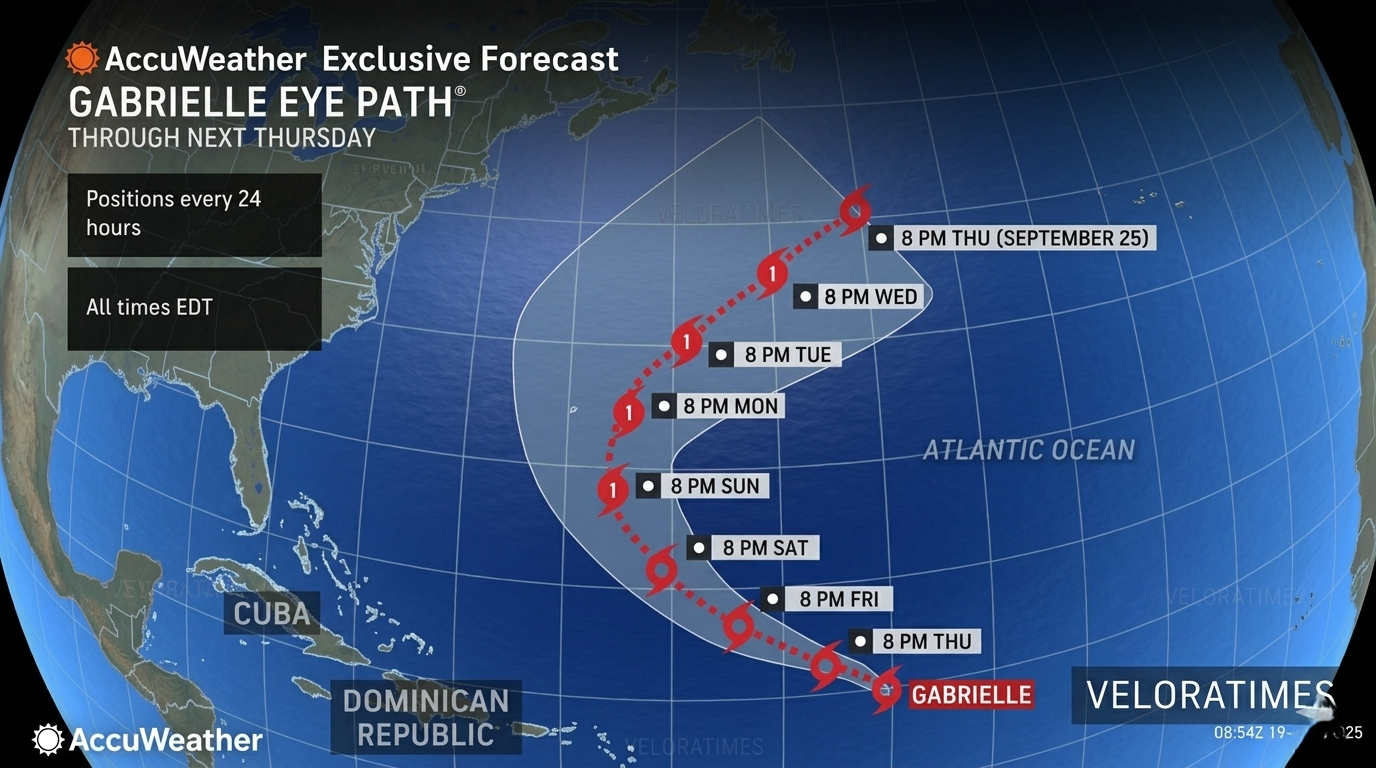
Tropical Storm Gabrielle is a recurring name in the Atlantic hurricane naming system, used for multiple tropical cyclones over the years. Each time a system forms under this name, it draws attention from meteorologists, coastal communities, and global weather observers. Forecasting Tropical Storm Gabrielle involves analyzing its development, projected path, and potential impact using advanced meteorological tools and historical patterns.
Understanding the Tropical Storm Gabrielle forecast is essential for safety, preparedness, and awareness. Even when such storms do not make direct landfall, they can still influence weather conditions across vast oceanic and coastal regions. This includes strong winds, heavy rainfall, dangerous surf, and rip currents that can affect both residents and travelers.
This article provides a complete, in-depth, and SEO-optimized overview of Tropical Storm Gabrielle forecasts. It explores formation patterns, storm tracking, intensity predictions, environmental influences, and long-term climate considerations while integrating related keywords such as “Gabrielle hurricane path,” “Atlantic storm tracking,” and “tropical cyclone forecast.”
Formation and Meteorological Origins
Tropical Storm Gabrielle typically originates from tropical waves that move westward off the coast of Africa into the Atlantic Ocean. These waves are clusters of thunderstorms that can gradually organize into a low-pressure system under favorable conditions. Warm ocean temperatures, high humidity, and low wind shear are critical factors that support this development.
During its early formation stage, Gabrielle often appears as a disorganized cluster of storms. Meteorologists monitor these disturbances using satellite imagery and weather models to determine whether they will strengthen. Once sustained winds reach 39 miles per hour, the system is officially classified as a tropical storm and given the name Gabrielle.
The early development phase is one of the most unpredictable stages in the storm’s lifecycle. Small changes in atmospheric conditions can either weaken the system or allow it to intensify rapidly. This is why continuous monitoring and frequent forecast updates are essential for accuracy and public safety.
Forecast Models and Tracking Techniques
Forecasting the path of Tropical Storm Gabrielle relies on sophisticated weather models that simulate atmospheric conditions. These models analyze data such as wind patterns, pressure systems, and ocean temperatures to predict where the storm will travel. Multiple models are used together to improve reliability and reduce uncertainty.
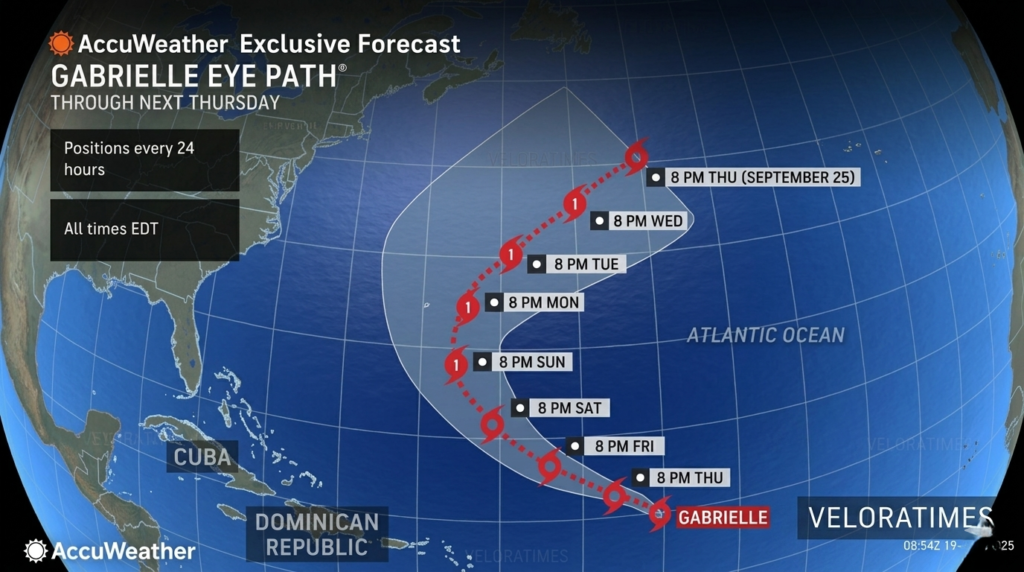
Meteorologists often observe that Gabrielle follows a typical Atlantic track, initially moving westward or northwestward before curving north or northeast. This curvature is usually influenced by high-pressure systems and the jet stream, which guide the storm away from land and into the open ocean.
Despite advancements in technology, forecast models are not perfect. Slight differences in atmospheric conditions can lead to significant variations in predicted paths. As a result, forecasts are regularly updated to reflect the most current data, ensuring that communities receive accurate and timely information.
Intensity Forecast and Storm Strength
The intensity of Tropical Storm Gabrielle can change dramatically over time. When environmental conditions are favorable, the storm can strengthen into a hurricane and, in some cases, reach major hurricane status. Warm sea surface temperatures provide the energy needed for intensification, while low wind shear allows the storm to maintain its structure.
In certain instances, Gabrielle has undergone rapid intensification, where wind speeds increase significantly within a short period. This phenomenon is particularly challenging to predict and can pose serious risks if the storm approaches land. Meteorologists closely monitor such changes to provide early warnings.
On the other hand, unfavorable conditions such as cooler waters or strong wind shear can weaken the storm. These fluctuations highlight the dynamic nature of tropical cyclones and the importance of ongoing observation. Accurate intensity forecasts are crucial for assessing potential damage and planning appropriate responses.
Projected Path and Movement Patterns
The projected path of Tropical Storm Gabrielle is one of the most critical aspects of forecasting. In many cases, the storm remains in the open Atlantic Ocean, posing minimal direct threat to populated areas. However, its path can vary depending on atmospheric conditions, making each event unique.
Gabrielle often follows a recurving path, where it moves away from the Americas and toward the North Atlantic. This pattern reduces the likelihood of landfall but can still impact regions such as Bermuda or the Azores. Even without direct impact, these areas may experience strong winds and heavy rainfall.
Understanding movement patterns helps meteorologists predict potential impact zones and issue warnings accordingly. It also allows maritime industries and travelers to plan ahead and avoid dangerous conditions at sea.
Regions Potentially Affected
Although Tropical Storm Gabrielle frequently stays offshore, it can still affect several regions indirectly. Coastal areas along the eastern United States may experience rough surf, rip currents, and gusty winds even if the storm remains far out at sea. These conditions can pose risks to swimmers, boaters, and coastal infrastructure.
In some cases, Gabrielle may approach or pass near islands such as Bermuda or the Azores. These regions are more likely to experience direct impacts, including heavy rainfall, localized flooding, and strong winds. The severity of these effects depends on the storm’s intensity and proximity.
European coastlines can also feel the remnants of Gabrielle after it transitions into an extratropical system. This can result in stormy weather conditions, highlighting the far-reaching influence of tropical cyclones even after they weaken.
Environmental Factors Influencing Forecast
Several environmental factors play a crucial role in shaping the forecast of Tropical Storm Gabrielle. Sea surface temperature is one of the most important, as warmer waters provide the energy needed for storm development and intensification. Regions of the Atlantic with particularly warm waters can significantly boost storm strength.
Wind shear is another key factor. High wind shear can disrupt the storm’s structure, preventing it from strengthening, while low wind shear allows it to develop more easily. Moisture levels in the atmosphere also influence storm organization, with higher humidity supporting stronger systems.
Large-scale atmospheric patterns, such as high-pressure systems and the jet stream, determine the storm’s direction. These factors work together to create complex and ever-changing conditions, making accurate forecasting both challenging and essential.
Risks, Hazards, and Safety Concerns
Tropical Storm Gabrielle can produce a wide range of hazards, even if it does not become a major hurricane. Strong winds can damage buildings and infrastructure, while heavy rainfall can lead to flooding and landslides. Coastal areas are particularly vulnerable to storm surge and high waves.
Even weaker storms can create dangerous marine conditions, including rough seas and strong currents. These hazards can impact shipping routes, fishing activities, and recreational boating. Public awareness and caution are essential to minimize risks.
Safety concerns extend beyond the immediate impact of the storm. Power outages, transportation disruptions, and damage to essential services can have lasting effects on affected communities. Preparedness and timely response are key to reducing these impacts.
Preparedness and Forecast Awareness
Being prepared for Tropical Storm Gabrielle involves staying informed and taking proactive measures. Monitoring updates from trusted meteorological agencies ensures access to accurate and up-to-date information. Understanding forecast terminology, such as storm tracks and intensity categories, can help individuals make informed decisions.
Preparation also includes securing property, gathering emergency supplies, and planning evacuation routes if necessary. Coastal residents should be particularly vigilant, as conditions can change rapidly. Early action can significantly reduce the risk of injury and property damage.
Community-level preparedness is equally important. Governments and organizations play a crucial role in issuing warnings, coordinating emergency responses, and providing support to affected populations. Effective communication and planning can make a significant difference in outcomes.
Climate Patterns and Future Storm Forecasts
Climate patterns such as El Niño and La Niña have a significant impact on tropical storm activity in the Atlantic. These phenomena influence wind patterns and ocean temperatures, which in turn affect storm formation and intensity. Understanding these patterns helps meteorologists make seasonal forecasts.
In recent years, there has been growing concern about the impact of climate change on tropical cyclones. Warmer ocean temperatures may contribute to stronger and more intense storms, while changing atmospheric conditions could alter storm tracks. These factors make forecasting even more important.
Looking ahead, advancements in technology and data analysis are expected to improve the accuracy of storm forecasts. However, the unpredictable nature of weather means that preparedness and awareness will always remain essential.
Conclusion and Key Insights
The Tropical Storm Gabrielle forecast is a complex process that combines science, technology, and real-time observation. From its formation in the Atlantic to its potential impacts on coastal regions, every stage requires careful analysis and continuous monitoring.
Accurate forecasting plays a vital role in protecting lives and property. By understanding how storms develop, move, and change in intensity, individuals and communities can better prepare for potential risks. Staying informed through reliable sources is one of the most effective ways to ensure safety.
As weather forecasting continues to evolve, the ability to predict storms like Gabrielle will improve. However, awareness, preparation, and timely action will always be the foundation of effective response to tropical storms.
READ MORE: VELORATIMES
