

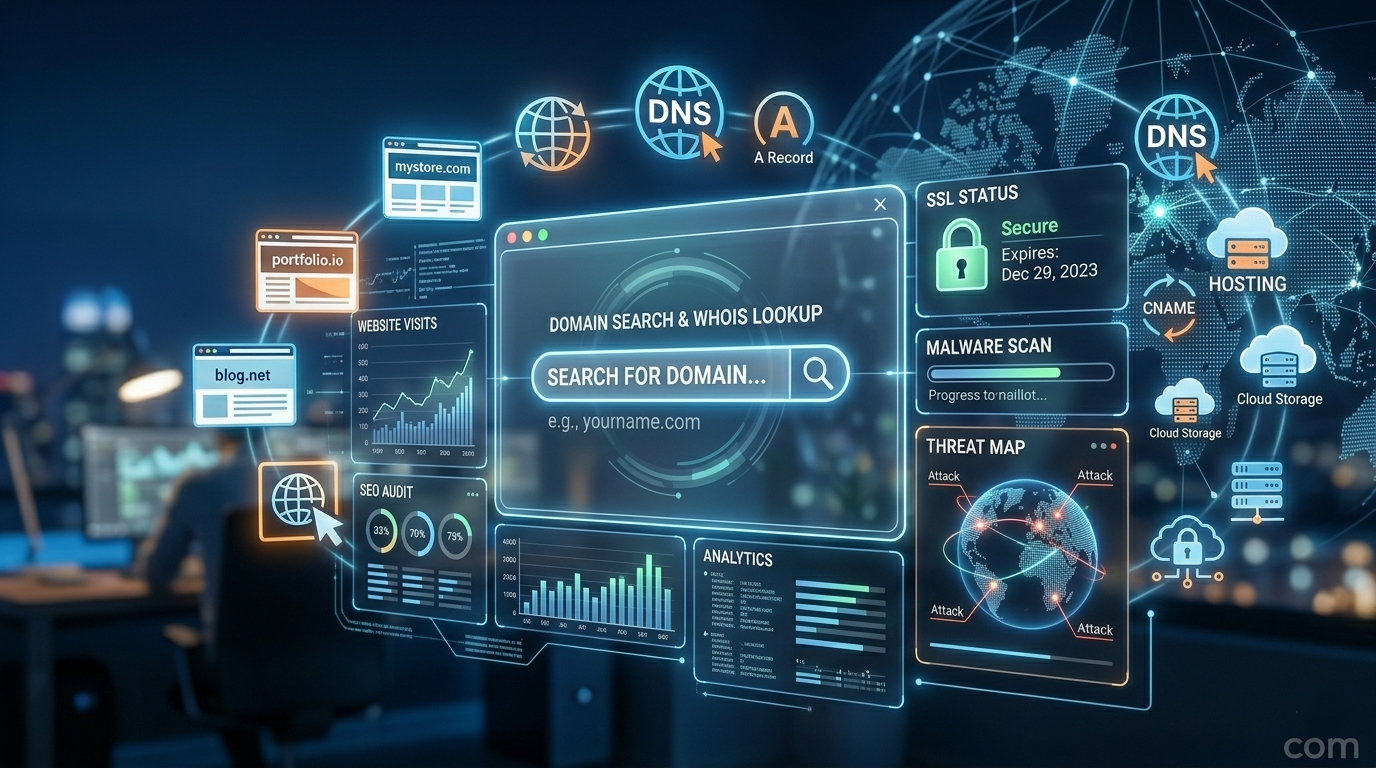
WHOIS is one of the most important foundational systems of the internet, used to look up information about domain names and IP addresses. In simple terms, it acts like a public directory that helps identify who owns a website and how it is managed. This system plays a crucial role in maintaining transparency and accountability across the web.
The term WHOIS comes from the phrase “who is,” and it refers to a protocol and database system that stores registration details of internet resources such as domains and IP addresses. As the internet has grown, WHOIS has remained a key tool for administrators, cybersecurity professionals, and researchers who need to verify ownership or investigate online activity.
What Is WHOIS and How It Works
WHOIS is essentially a query-based system that allows users to retrieve information about registered domains. When a domain name is purchased, the owner must provide details such as contact information, registration date, and expiration date. This data is stored in a distributed database maintained by domain registrars and registries.
When someone performs a WHOIS lookup, the system searches these databases and returns relevant registration information. The process happens quickly and is accessible through online tools or command-line utilities. Although it appears simple, WHOIS operates through a global network of servers that coordinate domain data across different organizations.
Key Information Provided by WHOIS Lookup
A WHOIS lookup reveals a wide range of details about a domain name. This typically includes the domain owner’s contact information, the registrar responsible for managing the domain, and technical details such as name servers. It also shows important dates like when the domain was created and when it will expire.
In many cases, WHOIS data also includes administrative and technical contacts responsible for maintaining the domain. This information is useful for troubleshooting website issues, verifying ownership, and ensuring proper domain management. However, some details may be hidden due to privacy protection services.
The Structure of WHOIS Databases
WHOIS is not a single centralized system but rather a distributed network of databases managed by registrars and registries. Each domain extension, such as .com or .org, is handled by different organizations that maintain their own records. These records are then made accessible through WHOIS queries.
This distributed structure ensures that domain data remains updated and accurate across the internet. The system is regulated by organizations such as ICANN, which oversees domain name policies and ensures compliance among registrars. This governance helps maintain consistency and reliability in domain registration data worldwide.
Domain Name Registration and WHOIS Data
Whenever a domain is registered, the registrant is required to provide accurate contact and technical information. This data becomes part of the WHOIS record and is publicly accessible unless privacy protection is enabled. The information helps identify who is responsible for a domain and how they can be contacted.
WHOIS data is often used for administrative and legal purposes, such as resolving disputes or reporting abuse. It also plays a role in cybersecurity investigations, where identifying the owner of a suspicious domain can help prevent fraud or malicious activity.
Privacy Protection and Hidden WHOIS Data
In recent years, privacy concerns have significantly impacted WHOIS accessibility. Many domain owners now use privacy protection services that hide personal information from public view. Instead of showing real contact details, the WHOIS record displays proxy or masked information.
Regulations such as GDPR in Europe have also influenced how WHOIS data is shared. These rules classify personal domain data as sensitive information, limiting public access in many cases. As a result, some WHOIS records now appear partially or fully anonymized, reducing transparency but increasing privacy protection.
Uses of WHOIS in Cybersecurity and Research
WHOIS is widely used in cybersecurity to investigate malicious domains and track suspicious online activity. Security professionals rely on WHOIS data to identify ownership patterns and detect potential threats such as phishing websites or scam operations.
Researchers also use WHOIS data to analyze internet infrastructure and domain registration trends. Large-scale studies often examine millions of domain records to understand how the internet evolves over time. This makes WHOIS an essential tool for both technical and academic research.
Limitations and Challenges of WHOIS
Despite its usefulness, WHOIS has several limitations. One major issue is data accuracy, as domain owners are responsible for keeping their information up to date. If incorrect or outdated information is provided, WHOIS records may not reflect reality.
Another challenge is privacy restrictions, which limit access to certain data fields. While these protections are important for user safety, they reduce the transparency that WHOIS was originally designed to provide. Additionally, newer systems like RDAP are gradually replacing WHOIS in some regions, offering more structured and secure data access.
The Future of WHOIS and Internet Governance
The future of WHOIS is evolving as internet governance standards change. New protocols such as RDAP (Registration Data Access Protocol) are being introduced to replace traditional WHOIS systems with more secure and standardized frameworks. These modern systems aim to balance transparency with privacy protection.
As the internet continues to grow, the need for accurate domain information remains essential. Whether through WHOIS or its successors, maintaining reliable access to registration data will continue to play a key role in cybersecurity, domain management, and digital trust.
Conclusion
WHOIS remains a foundational tool in the structure of the internet, providing essential information about domain ownership and registration. It supports transparency, security, and accountability across the digital world, even as privacy regulations and new technologies reshape how data is accessed.
Understanding WHOIS helps users, businesses, and security professionals navigate the online ecosystem more effectively. While its future may evolve, its core purpose—identifying who is behind a domain—continues to be a critical part of internet infrastructure.
READ MORE: VELORATIMES
