

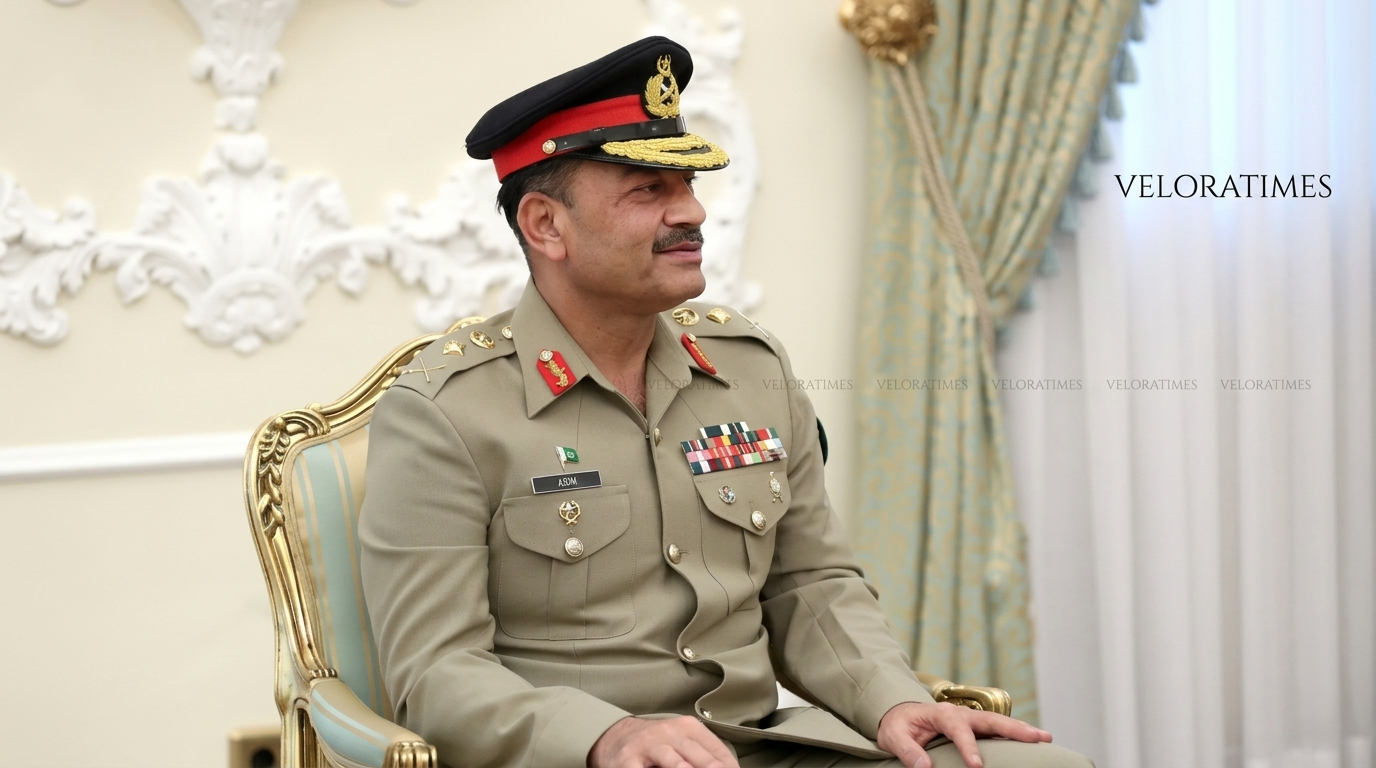
Field Mershal Asim Munir stands among the most powerful and closely watched figures in Pakistan today. As the Chief of Army Staff (COAS), he leads one of the country’s most influential institutions, shaping not only military strategy but also contributing to national security, foreign relations, and internal stability. His leadership comes at a time when Pakistan faces complex political, economic, and regional challenges, making his role even more significant.
Over the years, Asim Munir has built a reputation rooted in discipline, intelligence expertise, and strategic thinking. Unlike many public figures, he maintains a relatively reserved public presence, allowing his decisions and institutional actions to speak for themselves. This article explores his background, career progression, leadership approach, and long-term impact, offering a comprehensive and SEO-optimized analysis for readers seeking accurate and trustworthy information.
Early Life, Family Background, and Religious Influence
Asim Munir was born in Rawalpindi, a city known for its strong military culture and proximity to Pakistan’s defense institutions. Growing up in a disciplined household, he was influenced by values of integrity, faith, and commitment from an early age. His family background played a crucial role in shaping his personality, instilling both humility and a strong sense of duty.
One of the most defining aspects of his early life is his deep religious inclination. He memorized the Holy Quran, earning the distinction of being a Hafiz. This achievement is not merely symbolic; it reflects a level of discipline and dedication that later became evident in his military career. His religious grounding continues to influence his personal identity and leadership style.
His early education in Pakistan provided a solid academic foundation, but it was his decision to join the Pakistan Military Academy that set the course for his future. The combination of spiritual discipline and military training would later become a unique hallmark of his personality within the armed forces.
Military Education and Professional Training
After joining the Pakistan Military Academy (PMA) in Kakul, Asim Munir underwent rigorous training that shaped his leadership and operational capabilities. PMA is known for producing some of Pakistan’s finest military leaders, and Munir distinguished himself through his commitment and performance during training.
He further enhanced his expertise by attending advanced military institutions, including the Command and Staff College in Quetta and the National Defence University in Islamabad. These institutions focus on strategic studies, operational planning, and national security management. His education at these prestigious academies equipped him with the intellectual tools needed for high-level decision-making.
In addition to local training, he also participated in international military courses, broadening his understanding of global defense systems and strategic cooperation. This exposure helped him develop a more comprehensive view of modern warfare and international security dynamics, which later became crucial in his leadership roles.
Career Progression in the Pakistan Army
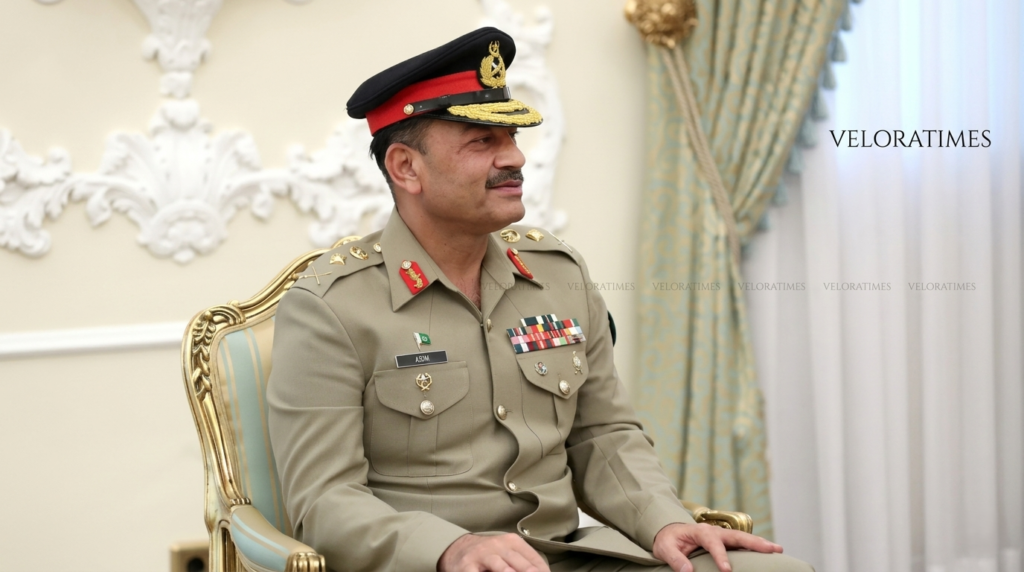
Asim Munir was commissioned into the Frontier Force Regiment, a respected infantry unit within the Pakistan Army. His early career involved field assignments that tested his operational skills and leadership abilities in challenging environments. These experiences laid the groundwork for his steady rise through the ranks.
Over the years, he held various command and staff positions, including brigade and division-level leadership roles. His ability to manage complex operations and maintain discipline among troops earned him recognition within the military hierarchy. His career reflects a balance between field command and administrative responsibilities, which is essential for senior leadership.
His consistent performance and reputation for professionalism led to promotions that eventually positioned him among the top military leadership. Unlike rapid or politically influenced advancements, his progression was largely seen as merit-based, reinforcing his credibility within the institution.
Intelligence Leadership and Role in ISI
One of the most significant phases of Asim Munir’s career was his appointment as Director-General of the Inter-Services Intelligence (ISI). The ISI is Pakistan’s premier intelligence agency, responsible for handling sensitive national security matters, including counterterrorism, intelligence gathering, and strategic analysis.
During his tenure as ISI chief, he dealt with complex internal and external security challenges. Although his time in the position was relatively brief, it was impactful. The role exposed him to critical geopolitical issues, including regional conflicts and intelligence coordination with international partners.
This experience strengthened his understanding of hybrid warfare, intelligence operations, and national security policymaking. His time at ISI also contributed to his reputation as a disciplined and principled officer, capable of handling sensitive information and high-pressure situations.
Appointment as Chief of Army Staff
In November 2022, Asim Munir was appointed as the Chief of Army Staff, succeeding Qamar Javed Bajwa. His appointment came during a period marked by political uncertainty, economic difficulties, and security concerns, making his leadership crucial for national stability.
The position of COAS is one of the most powerful roles in Pakistan, given the military’s historical influence in governance and policymaking. His selection was closely monitored by political analysts, international observers, and the general public, as it indicated the direction Pakistan might take in the coming years.
Since taking office, he has emphasized institutional discipline, professionalism, and a focus on national interests. His approach reflects a desire to strengthen the military’s internal structure while maintaining its strategic relevance in a rapidly changing global environment.
Leadership Style and Strategic Approach
Asim Munir’s leadership style is often described as disciplined, reserved, and strategically focused. He prefers a low-profile approach, avoiding excessive media exposure while concentrating on institutional performance and long-term planning. This contrasts with more publicly visible leadership styles seen in other contexts.
He places strong emphasis on meritocracy and accountability within the armed forces. By focusing on internal reforms and operational readiness, he aims to ensure that the Pakistan Army remains capable of addressing both traditional and modern security threats. His leadership reflects a balance between maintaining tradition and embracing necessary modernization.
Another key aspect of his approach is strategic patience. Rather than reacting impulsively to challenges, he is known for carefully analyzing situations before making decisions. This methodical approach has helped him navigate complex political and security landscapes effectively.
Role in Pakistan’s Political and Security Landscape
The role of the military in Pakistan’s political system has always been significant, and Asim Munir’s tenure continues within this broader context. While the military officially maintains neutrality, its influence on national affairs remains a subject of ongoing discussion and analysis.
During his leadership, Pakistan has experienced political tensions and shifting alliances. His role has often been seen as stabilizing during periods of uncertainty, particularly in maintaining institutional continuity and preventing escalation of conflicts. However, debates about civil-military relations continue to shape public discourse.
In terms of security, he has focused on addressing internal threats, border tensions, and regional challenges. His experience in intelligence and field operations allows him to approach these issues with a comprehensive understanding, ensuring that national security remains a top priority.
Public Image, Reputation, and Global Perception
Asim Munir’s public image is shaped by both his professional achievements and the broader perception of the military in Pakistan. Domestically, opinions about him vary, reflecting the country’s diverse political landscape. Some view him as a stabilizing force, while others critique the military’s role in governance.
Internationally, he is recognized as a key figure in South Asian geopolitics. His interactions with global leaders and involvement in strategic discussions have increased his visibility on the world stage. His leadership is often analyzed in the context of regional stability and international security cooperation.
Despite differing opinions, his reputation for discipline, integrity, and professionalism remains consistent. These qualities contribute to his credibility both within Pakistan and internationally, reinforcing his position as a significant global military leader.
Challenges, Criticism, and Key Decisions
Like any high-ranking leader, Asim Munir faces a range of challenges and criticisms. These include managing political tensions, addressing economic instability, and dealing with evolving security threats. Balancing these responsibilities requires careful decision-making and strategic foresight.
Criticism often revolves around the perceived influence of the military in political affairs. Analysts and observers debate the extent to which military leadership impacts civilian governance. These discussions are part of a broader conversation about democratic development in Pakistan.
At the same time, he must navigate external challenges such as regional conflicts and diplomatic relations. His decisions in these areas have long-term implications for Pakistan’s stability and international standing, making his role both complex and demanding.
Future Outlook and Lasting Legacy
The future of Asim Munir’s leadership will play a crucial role in shaping Pakistan’s trajectory. His decisions regarding defense policy, institutional reforms, and regional relations will have lasting impacts on the country’s development and stability.
His legacy will likely be evaluated based on his ability to maintain balance between military strength and democratic processes. Strengthening institutions, ensuring stability, and addressing security challenges will be key factors in defining his tenure.
As Pakistan continues to navigate a rapidly changing global landscape, Asim Munir’s role remains central. His leadership represents not only the present state of the Pakistan Army but also its future direction, making him one of the most important figures in the country’s modern history.
READ MORE: VELORATIMES
